
Your startup's website can be a conversion power or a trust buster. Outdated designs, confusing navigation and slow performance signal amateurishness that puts off investors and customers. A professional website needs clear visuals, mobile responsiveness, clear messages and strategic calls to action. It's not just about looking good - it's about creating a digital experience that screams credibility and competence. Stick around, and I'll show you how.
Contents
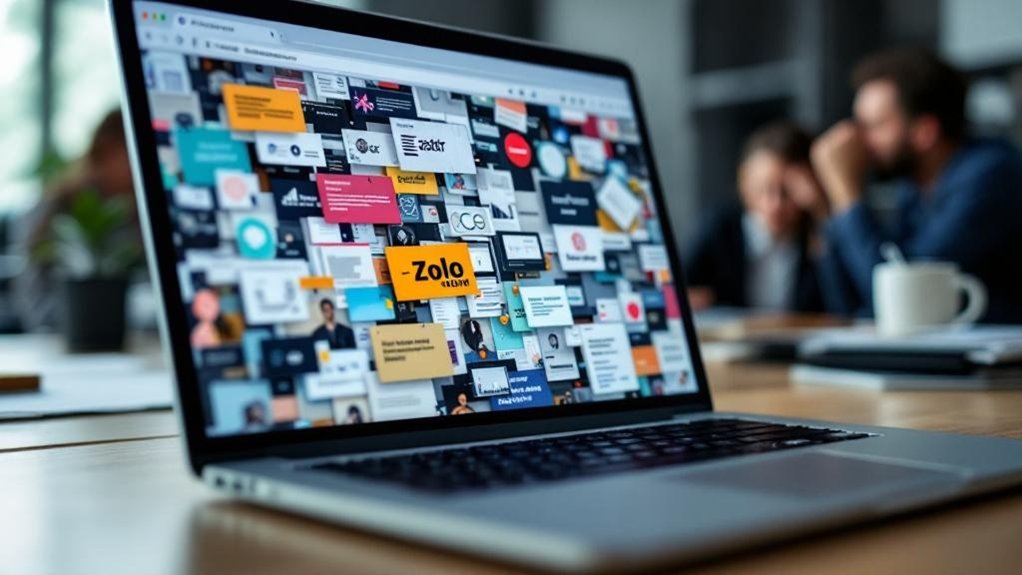
When it comes to start-up websites, first impressions are all-and-one visual design unprofessional can sink your credibility faster than you can say "investor presentation."
I've seen countless promising start-ups torpedo their potential by ignoring the critical importance of design aesthetics.
Your colour scheme It's not just decoration; it's your digital handshake.
Inconsistent sources scream amateurism and drive away potential customers.
Investors and customers are visual creatures who will judge your brand in milliseconds.
One professional and cohesive design signals that you are serious, detail-orientated and committed to excellence.
Think about your website as the front door of your startup.
Would you invite investors into a disorganised and poorly maintained office?
Of course not.
Its digital presence deserves the same meticulous attention.
Mobile optimisation ensures that its professional design looks flawless on all devices, reinforcing its startup's commitment to user experience and technical sophistication.

Let me tell you something brutal about website navigation that will make your startup's user experience crumble: a cluttered menu is like a labyrinth which frustrates potential customers and sends them running for the exit.
I've seen too many start-up websites where users get lost in a maze of confusing links, dead ends e navigation traps that make finding basic information seem like solving a complex puzzle.
If your website's navigation isn't crystal clear and intuitive, you're basically telling users "We don't care about your time or expertise" - and believe me, they'll hear that message loud and clear.
Just as social media platforms perpetuate unrealistic beauty standards Through carefully selected content, poorly designed websites create equally frustrating user experiences that drive away potential customers.
Because navigating a poorly designed website may seem like wandering through a digital maze, many startups unconsciously sabotage their user experience with cluttered and confusing menus. A chaotic navigation structure doesn't just frustrate visitors - it drives them away.
I've seen countless websites where the menu options overlap, the dropdown lists become overwhelming and users can't find what they need quickly. Your cluttered menu is essentially a "no entry" sign for potential customers and investors.
Simplifying navigation isn't just a question of aesthetics; it's about creating a intuitive path which guides users effortlessly through their digital landscape. Smart startups realise that a clean, logical menu design communicates professionalism and respect for the user's time.
If you've ever felt trapped in a labyrinth of dead-end links e confusing paths of a website, you are not alone in this digital frustration. Intuitive navigation isn't just a design luxury - it's a critical survival strategy for startups.
I've seen countless websites that turn users' enthusiasm into pure navigational nightmare fuel. The key is to create a visual hierarchy that guides visitors continuously through its digital landscape.
Dead-end pages kill momentum and drive away potential customers faster than you can say "bounce rate".
Intelligent design means creating clear paths that look natural and anticipate users' needs. Your website should be a strategic roadmapnot a confusing labyrinth.
Eliminate unnecessary clicks. Simplify your menu. Make every interaction count.
Remember: navigation isn't just about getting from point A to point B - it's about making the journey engaging and intuitive.
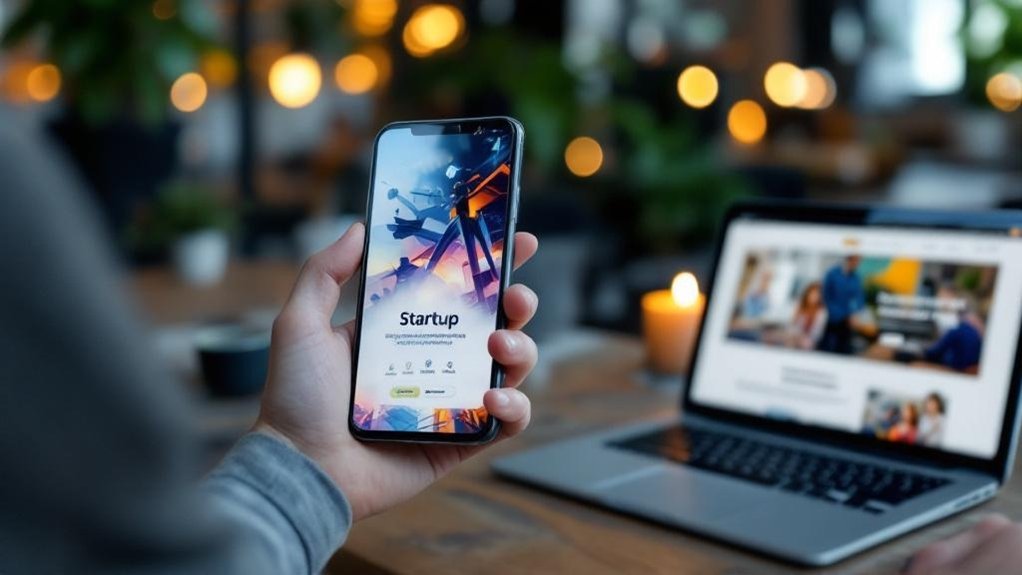
When smartphones dominate web traffic, your startup's website must adapt or risk losing potential customers. Optimisation for mobile devices it's not just a trend - it's a survival strategy. Responsive design means that your site looks spectacular on any device, whether it's a tiny smartphone or a huge desktop monitor. Mobile-first indexing prioritises websites that adjust perfectly to various screen sizes, directly impacting search visibility and user engagement.
I've seen too many startups fail because their website looked like a total confusion on mobile screens. Your potential investors and clients will judge you in seconds, and a mobile experience clumsily shouts "unprofessional". Every pixel counts. Make sure your layout changes perfectlyThe buttons are thumb-friendly and the content remains legible.
Think clean, intuitive and extremely fast. Your mobile experience should be so smooth that users don't even realise they're browsing a startup's website. Adaptability is your secret weapon.
I've seen too many startups stumble because the content of their website reads like a generic corporate brochure instead of a compelling story that speaks directly to your audience's needs.
When your value proposition is vague or buried in technical jargonYou're essentially telling potential customers "we don't really understand what's important to you" - and that's a surefire way to lose their attention faster than you can say "mission statement."
Your website should be a laser-focussed narrative that immediately shows visitors why your solution is exactly what they've been looking for - and why it's not. clear, passionateand unmistakably unique.
Since many start-ups have difficulty articulating their core valueI've seen many entrepreneurs fail when it comes to creating websites that leave potential customers confused and unimpressed. I've seen countless entrepreneurs fail when it comes to clarity of value and targeted messages.
Your website needs to instantly communicate what makes your solution unique. Don't just list features-explain how you're going to solve real problems.
Vague statements like "we are innovative" or "we deliver results" are not enough. Investors and customers want specifics. They want to understand your value proposition in seconds.
Think about razor-sharp messages that connect emotionally and intellectually. Craft your narrative to show precisely how you're going to transform your client's world.
Startup founders often fall into the trap of believing that simply listing product features constitutes a convincing narrative. But here's the truth: users crave stories that resonate. Your website needs storytelling strategies that transform insipid facts into emotional journeys.
I've seen countless startups fail because they forget that the user involvement it's not about technical specifications - it's about human connection. Think about why your solution matters. What problem are you solving? How does your innovation change lives?
Create a narrative that not only describes what you do, but why you do it. Your story should be a beacon that attracts potential customers and investors, making them feel something deeper than mere interest.
It's about creating a meaningful connection that transcends transactional interactions.
How many times have you gone through a website and felt absolutely nothing? Weak brand storytelling kills a startup's potential faster than you can say "investment pitch". Your message needs crystal clarity and compelling storytelling techniques that capture attention.
| Storytelling element | Impact |
|---|---|
| Authentic Narrative | High involvement |
| Emotional Connection | Customer loyalty |
| Value proposition | Investor interest |
I've seen countless start-ups fail because they couldn't articulate their unique value. Your website isn't just a digital brochure - it's the voice of your brand. Create a narrative that resonates, that makes visitors feel something. Tell them why you exist, not just what you do. Investors and customers crave stories that inspire, challenge and transform. Don't just describe your product-reveal its soul, its mission, its potential to change the world.
Although many startups believe that they are avant-gardeThe design of your website often screams "amateur hour" louder than a college band at a garage sale. Your first impression digital is important, and outdated design elements can destroy your credibility faster than you realise.
This is what kills the professional vibe of your startup:
Your website should whisper "innovation" - not "museum piece".
Because speed is the silent killer of online engagement, the performance of your website can make or break your startup's digital success. Slow loading times aren't just annoying-they're conversion killers.
I've seen startups lose potential investors and customers simply because their website crawls like a wounded snail. Server optimisation is not just technical jargon; it's your digital lifeline.
Every second counts when users are deciding whether to stay or leave. Modern users expect lightning website speedand will abandon ship in milliseconds if your site looks slow.
Think of your website as your showcase digitalIf the door is difficult to open, customers will leave.
Invest in robust hosting, compress images, minimise code and prioritise performance. Your startup's reputation depends on it.
Your startup's website should be a ghost town digital without direction? Let's talk about clarity of call-to-action and conversion strategies that will transform your presence digital. Effective CTAs are not just buttons-they are strategic roadmaps that guide potential investors and clients:
I've seen countless start-ups lose momentum because their websites lack decisive direction. Your CTA isn't just a suggestion - it's an invitation to get involved, invest and believe in your vision.
Make every pixel count. Your site must whisper (and sometimes shout) exactly what you want visitors to do next.
How often do startups sabotage their own brand identity without even realising it? Inconsistent branding can kill your startup's credibility faster than you realise.
I've seen countless websites that look like a jumble of random design elements, destroying the visual harmony and confusing potential investors. Your web pages should have a cohesive story - every element should look intentionally connected, from colour schemes to typography.
Consistent branding isn't just about looking good; it's about building trust. When your design seems scattered, visitors subconsciously question your professionalism.
Think of your website as your showcase digital: every pixel counts. Would you go into a physical shop where nothing matches? Absolutely not. The same principle applies online. Your brand's visual language must speak clearly, confidently and consistently.
When startups neglect social proofThey are fundamentally shooting themselves in the foot.
I've seen countless innovative companies lose vital trust-building opportunities by ignoring testimonial sections.
Your website is not just a digital brochure - it's a converting machine.
Its digital platform is not merely a static shop window - it's a strategic engine that drives significant conversions.
That's why social proof matters:
The design of a startup website can cost $5,000-$15,000, depending on its complexity. Your investment drives user engagement and signals innovation, potentially turning your website redesign into a powerful tool for attracting investors.
A weak website can devastate your startup. A weak website aesthetic and misaligned colour psychology signal a lack of professionalism, instantly repelling potential investors and customers who crave cutting-edge design and seamless digital experiences.
A clear value proposition, elegant design and intuitive user experience define your startup's digital identity. Brand consistency and innovative navigation turn visitors into believers, investors and advocates of your vision.
Investors make snap judgements in 3-5 seconds. Your website's visual first impressions and user engagement strategies should instantly communicate innovation, professionalism and potential, compelling them to scroll further down.
Yes, it's worth it! A professional agency guarantees brand consistency and user engagement, transforming your startup's digital presence from amateurish to innovative, despite the initial investment.
 PT
PT